How Professional Movers Handle Packing for Fragile Items
Moving delicate belongings requires more than a few extra layers of bubble wrap. Glassware, framed artwork, electronics, antiques, and family keepsakes can react differently to pressure, vibration, and sudden movement. A successful packing plan accounts for those differences before anything goes into a box. Understanding how professional movers handle packing for fragile items can help homeowners prepare for a move and recognize why careful packing is a process rather than a last-minute chore. Experienced crews combine suitable materials, deliberate techniques, and organized handling to reduce avoidable damage throughout the journey.
Assessing Fragile Belongings Before Packing
Professional packing often begins with an assessment of what needs protection. Movers identify items with thin glass, loose components, delicate finishes, unusual shapes, or substantial weight. A ceramic lamp needs different support than a television, even when both are labeled fragile.
The team may also ask about original packaging, existing damage, and pieces with sentimental or monetary value. This early review helps determine which belongings can share a carton and which require individual attention.
Choosing Materials That Match the Item
The right packing supplies serve different purposes. Packing paper protects surfaces and fills small spaces, while bubble cushioning helps absorb impacts around appropriately wrapped objects. Foam sheets can separate finished surfaces, and sturdy cartons provide a stable outer shell. For heavier or unusually vulnerable items, movers may use reinforced boxes, custom inserts, or wooden crating when warranted.
Materials must also be compatible with the object. Adhesive tape should not touch a painted frame or antique finish, and printed newspaper can transfer ink onto porous surfaces. Rather than relying on one material for everything, professionals create layers that prevent rubbing, limit movement, and distribute pressure. Good protection is about fit and placement as much as the amount of cushioning used.

Building a Stable Base Inside Every Box
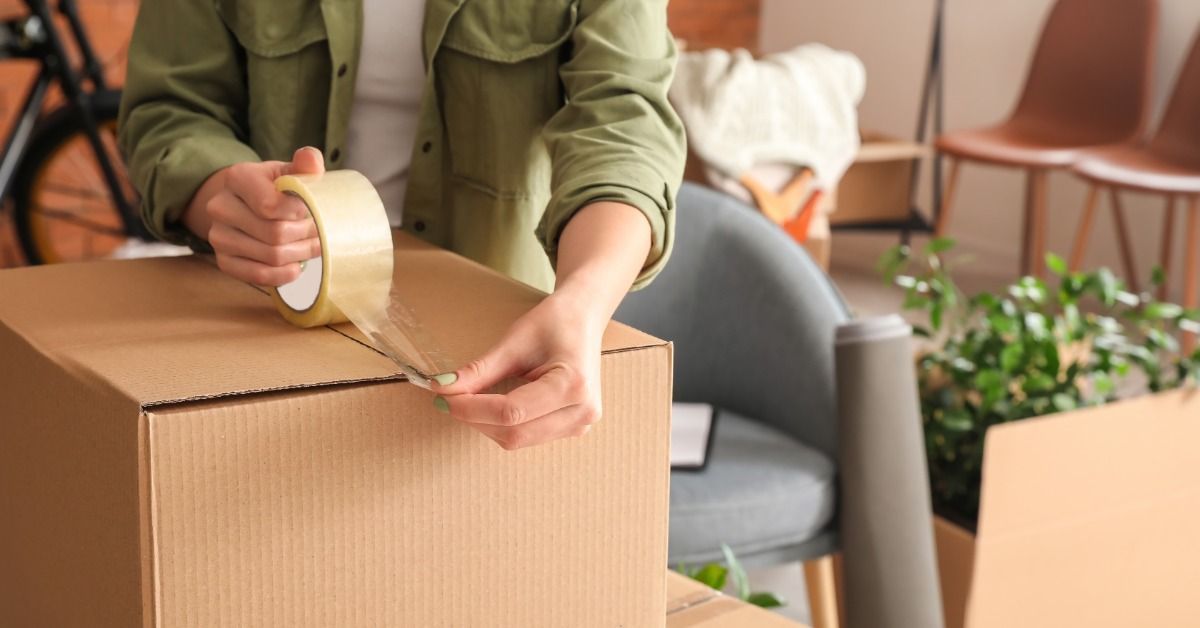
Before placing an object into a carton, packers inspect the box for weakness and reinforce it when appropriate. They add cushioning to the bottom so contents do not rest directly against the cardboard. Each piece is wrapped individually, especially when hard surfaces might strike one another. Plates are often packed on edge with separators, while cups and bowls receive support around handles and rims.
The finished box should be snug without being overfilled. Empty pockets allow items to shift during turns and stops, but excessive pressure can crack fragile contents. Movers fill remaining gaps with suitable material, then gently check whether anything moves before sealing the carton. Weight is kept manageable so boxes can be lifted without tipping or crushing those beneath them.
Protecting Glass, Mirrors, and Framed Artwork
Flat, breakable pieces present particular challenges because pressure across a broad surface can cause damage. Professionals protect corners and edges, place clean cushioning against the face, and use appropriately sized mirror or picture cartons. For especially valuable artwork, a specialist may recommend custom crating and materials selected for the artwork's surface and environmental needs.
Frames are also checked for loose hardware or vulnerable decorative details. Movers avoid putting heavy objects against the center of glass or stacking unprotected frames together. During transport, these pieces are typically kept upright and secured against shifting.
Handling Electronics and Sensitive Equipment
Electronics require attention to both physical protection and preparation. Movers may recommend photographing cable connections, labeling cords, removing detachable accessories, and consulting manufacturer instructions. When available, original molded packaging can provide a close fit for monitors, speakers, and other equipment. Otherwise, appropriate cushioning and correctly sized cartons help protect corners, screens, and internal components.
Sensitive devices should be kept away from loose hardware and heavy objects that could press against them. Some equipment also has specific rules for batteries, liquids, or transportation orientation. A professional crew should confirm what its service covers and whether certain devices require owner preparation or specialized handling before moving day.
Packing Antiques and Irreplaceable Pieces
Older possessions may be structurally fragile even when they appear sturdy. Veneer, carved details, aged joints, and decorative finishes can be damaged by ordinary handling. Movers assess where an item can safely be supported and whether components should be removed or secured. Protective wraps should shield vulnerable areas without trapping hardware against a finished surface.
For particularly valuable antiques, a qualified conservator or specialty mover may be the better choice. Homeowners should also document condition and discuss valuation coverage before packing begins. Sentimental value cannot be replaced by reimbursement, making thoughtful preparation especially important for items that have been passed down through generations.
Labeling, Tracking, and Loading With Care
Packing does not end when a carton is sealed. Clear labels identify fragile contents, note the intended room, and indicate orientation when necessary. An inventory can connect numbered cartons to their contents, making unloading more orderly and helping homeowners locate delicate pieces without opening every box.
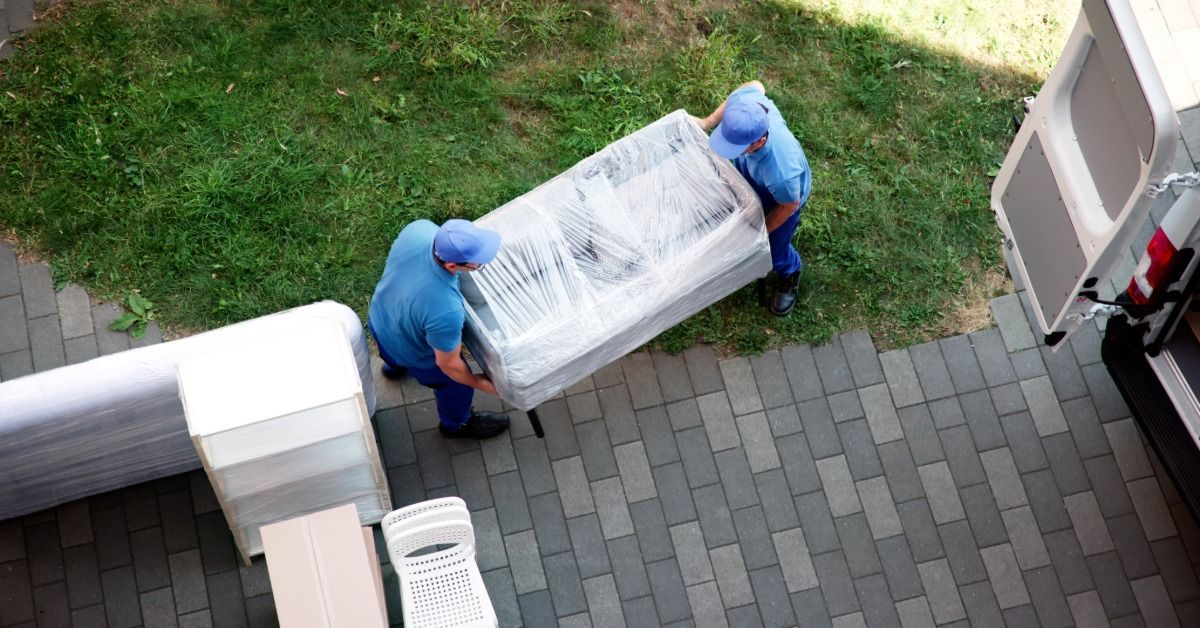
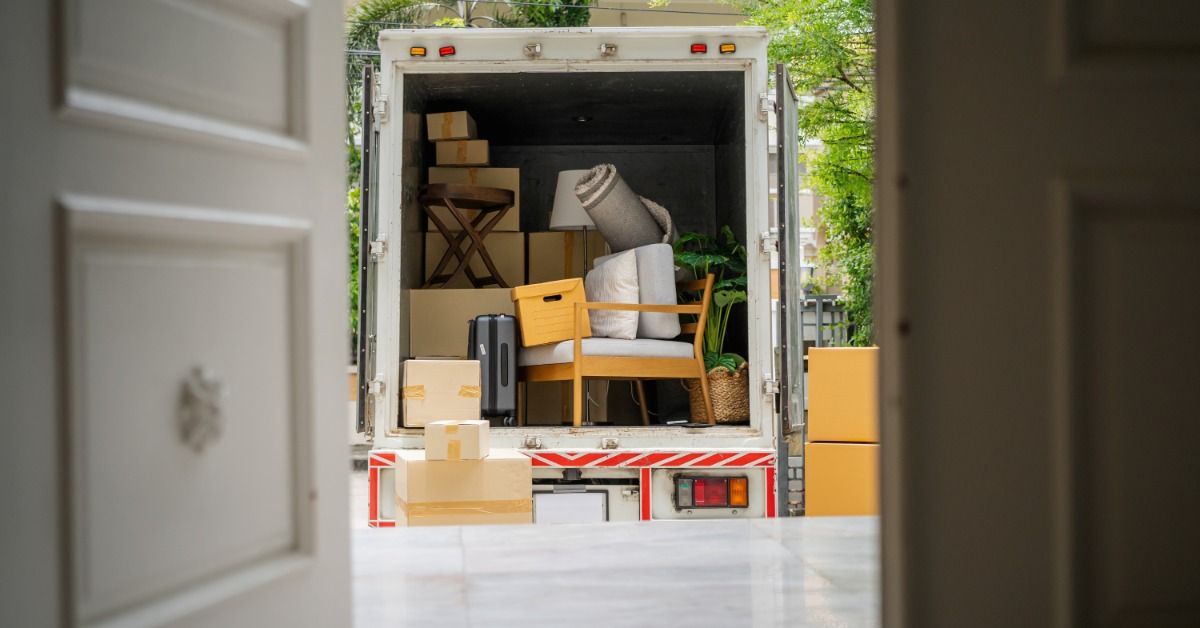
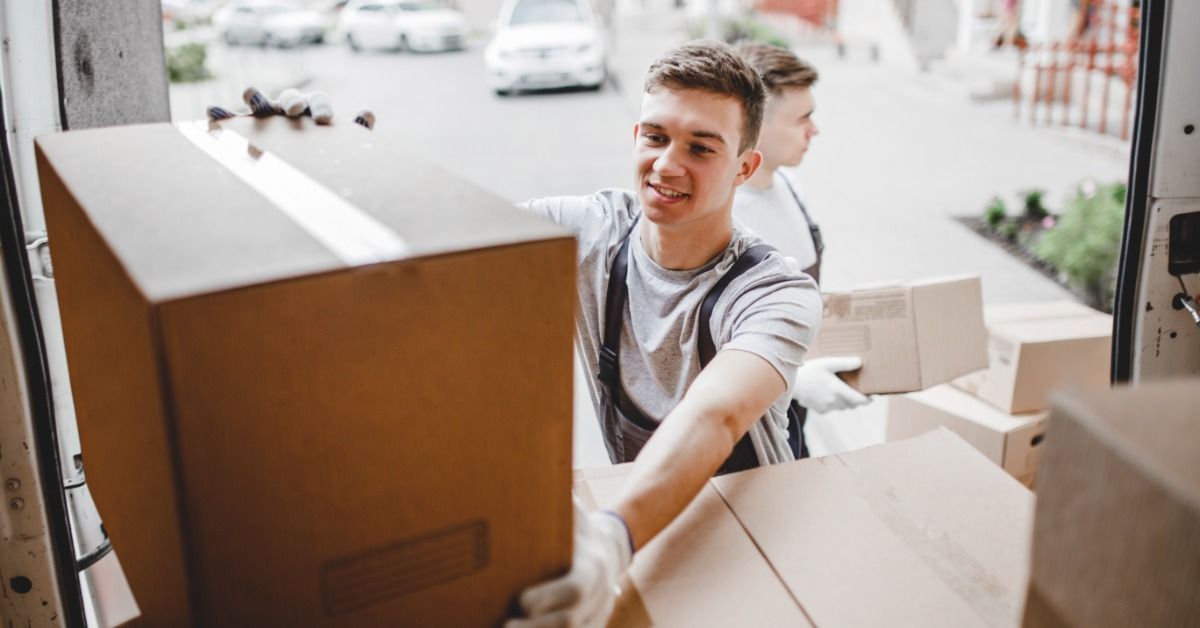
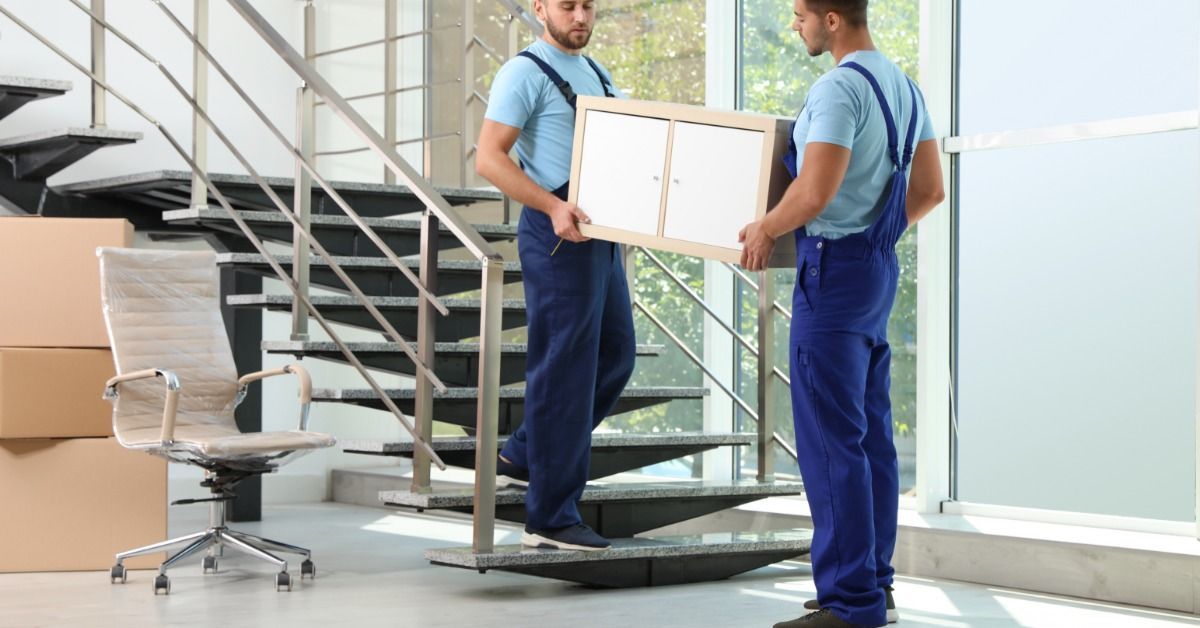
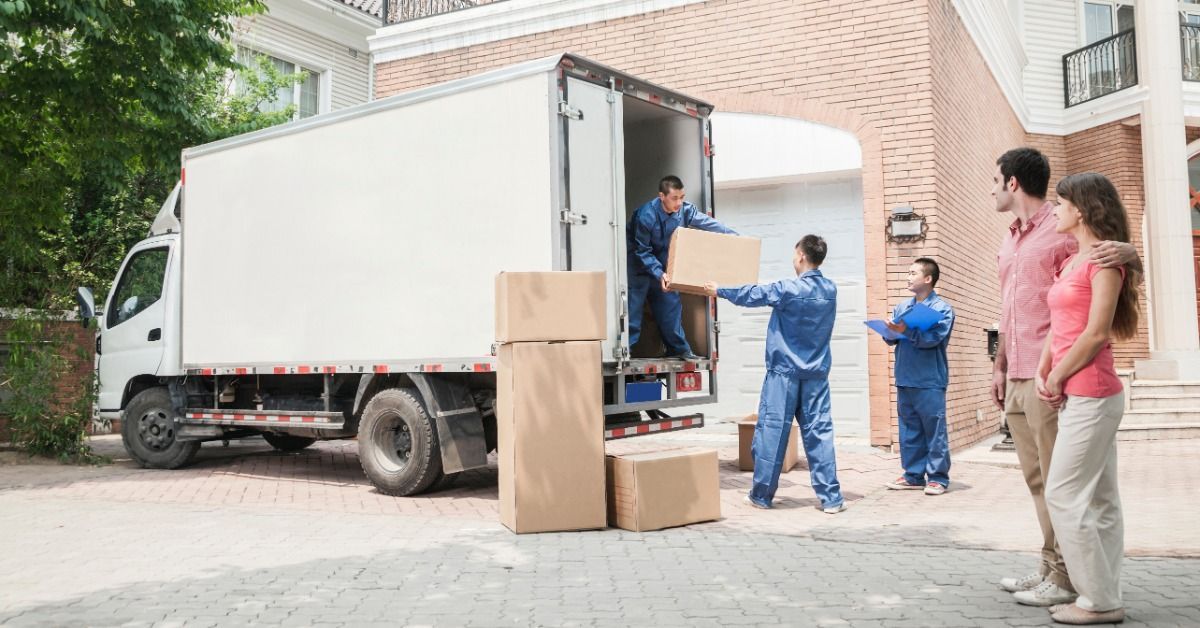
During loading, movers place heavy, stable items where they will not crush lighter cartons. Fragile boxes are positioned to minimize shifting and secured within the overall load. Teams coordinate lifting and communicate about awkward pieces, narrow doorways, and staircases. These steps connect the careful work done indoors with the realities of transportation.
Coordinating Packing With the Rest of the Move
Fragile-item packing works best when it is part of a broader moving schedule. Homeowners can identify objects they intend to transport personally, set aside essentials, and flag pieces that need special attention before crews arrive. Asking what packing materials, specialty services, and coverage options are included prevents misunderstandings on moving day.
Companies offering general moving services may provide full packing, partial packing, or transportation-only options, so the scope should be confirmed in writing. Clear communication also helps crews allocate enough time for delicate belongings instead of rushing through them after larger furniture has been prepared.
Careful Unpacking Completes the Process
The final stage is controlled unloading and unpacking. Movers should place labeled cartons in the correct rooms and avoid stacking weight on boxes containing fragile objects. When professional unpacking is included, the same care used to wrap belongings should guide removal of cushioning and inspection of contents. Homeowners can compare items against their inventory and report visible damage according to the mover's stated procedures.
Knowing the methods professional moving crews use to pack and protect delicate belongings also makes it easier to prepare for the arrival of cherished possessions. Thoughtful assessment, suitable materials, stable packing, and careful loading work together to reduce risk. No packing method can eliminate every possibility of damage, but a consistent approach gives fragile items a much better chance of reaching their destination safely.