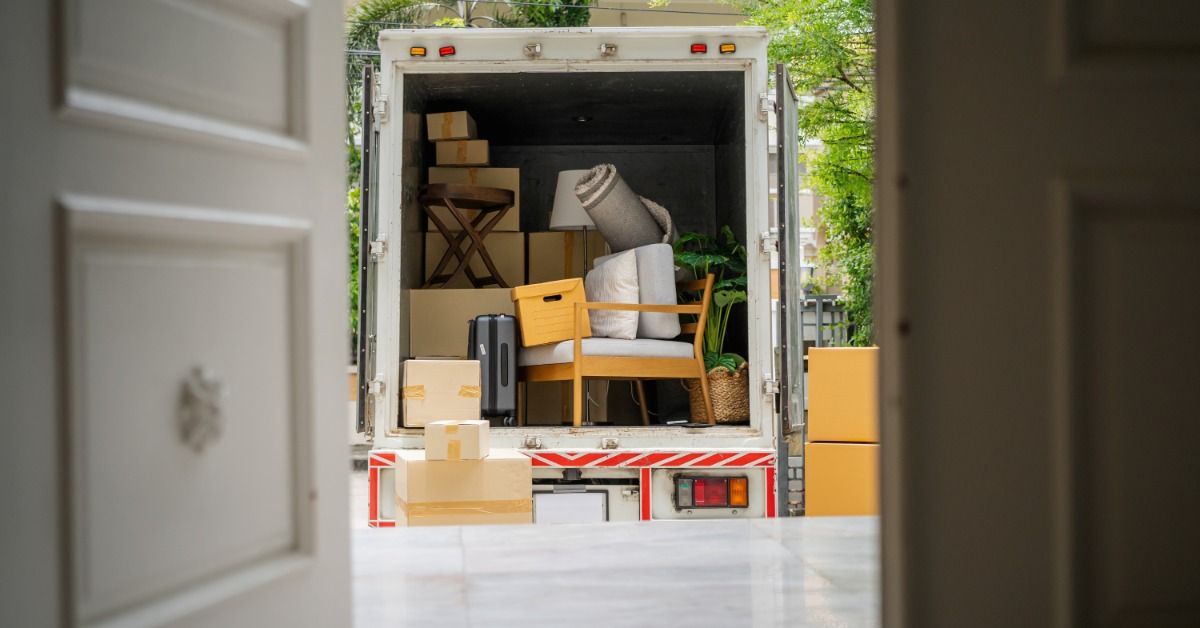
Temporary Storage Solutions That Help During Delayed Moves
Moving plans rarely unfold with perfect timing. A closing date may change, construction on a new home may take longer than expected, or a lease might end before the next property is ready. Even a delay of several days can create a frustrating question: what do you do with an entire household of belongings when there is nowhere to put them?
Fortunately, a delay does not have to turn a move into a logistical mess. Temporary storage solutions that help during delayed moves can provide the flexibility needed to keep belongings secure while allowing families to adjust their schedules. Choosing the right approach can make an unexpected waiting period much easier to manage.
Why Moving Delays Create Storage Challenges
Most moves are planned around a relatively straightforward timeline. Belongings are packed, loaded onto a truck, transported, and unloaded at the new home. When one part of that timeline changes, however, everything else can be affected.
Real estate transactions are a common source of uncertainty. A buyer may encounter a financing delay, an inspection could uncover an issue requiring repairs, or paperwork may take longer than anticipated. Renters can face similar problems if their new unit is not available when promised.
Construction and renovation projects can also interfere with move-in dates. A house might technically be available, but unfinished flooring, painting, plumbing work, or other projects could make moving furniture inside impractical.
Temporary storage creates a buffer between leaving one property and entering another. Instead of trying to force the entire move into a changing schedule, households can safely store their belongings until the destination is ready.
Short-Term Storage Units for Flexible Timelines
Traditional self-storage facilities are one of the most familiar options for handling a temporary gap. Units are typically available in several sizes, making them suitable for anything from a few boxes to the contents of an entire home.
The primary advantage of a storage unit is flexibility. If a delay that was expected to last one week stretches into a month, renters may be able to extend their storage period without reorganizing the entire move. Depending on the facility, they may also have access to their belongings during the storage period.
Accessibility matters when choosing this option. Items that could be needed before move-in should be positioned near the front of the unit rather than buried behind furniture and boxes. Thoughtful organization can prevent someone from having to unpack half the unit to find a single important item.

Portable Storage Containers Can Reduce Handling
Portable storage containers offer another solution when moving dates do not align. Instead of transporting belongings to a separate facility, a container can often be delivered to the property and loaded there.
Once packed, the container may be transported to a storage facility or, depending on the circumstances, kept at an approved location until the new home becomes available. This arrangement can reduce the number of times furniture and boxes need to be handled.
Fewer loading and unloading stages may also reduce the chance of belongings being damaged. Every time a piece of furniture is moved through a doorway, carried down stairs, or transferred between vehicles, another opportunity for scratches or dents arises. Keeping items inside the same container for part of the transition can simplify the process.
Storage Through a Moving Company
Some professional movers offer storage services designed specifically for customers dealing with scheduling gaps. This can be convenient because transportation and storage remain part of the same moving process.
Instead of unloading belongings into a self-storage unit and arranging another truck later, the moving company may store the shipment until the destination becomes available. Once the household is ready to move in, delivery can be scheduled.
This type of arrangement may be particularly useful for longer moves or households with large amounts of furniture. People researching moving and storage in Portland, Oregon may want to ask how movers handle short-term storage, delivery scheduling, access to stored belongings, and changes to the expected storage period.
Understanding these details in advance can make it easier to compare options if a move suddenly encounters a delay.
Keep Essential Belongings Separate
Even when most household possessions are going into storage, some items should remain easily accessible. A delayed move becomes considerably more inconvenient when clothing, work equipment, medications, important paperwork, or everyday necessities are packed deep inside a storage unit.
Before loading begins, think about what might be needed if the delay lasts longer than expected. Pack these belongings separately and keep them somewhere accessible, whether that means in a vehicle, temporary accommodation, or a clearly designated group of boxes.
Important documents deserve particular attention. Identification, financial paperwork, moving contracts, property documents, and other records should generally remain with the household rather than being placed somewhere difficult to access.
The goal is to create a temporary living setup that can function independently of everything in storage.
Protect Furniture During Temporary Storage
A storage period may be temporary, but belongings still need proper protection. Furniture that was packed with the expectation of being moved directly into another house may require additional preparation if it will sit in storage.
Furniture covers can protect surfaces from dust and minor abrasions. Fragile pieces should be wrapped appropriately, while upholstered furniture needs protection that does not trap unnecessary moisture. Mattresses should also be covered before being stored.
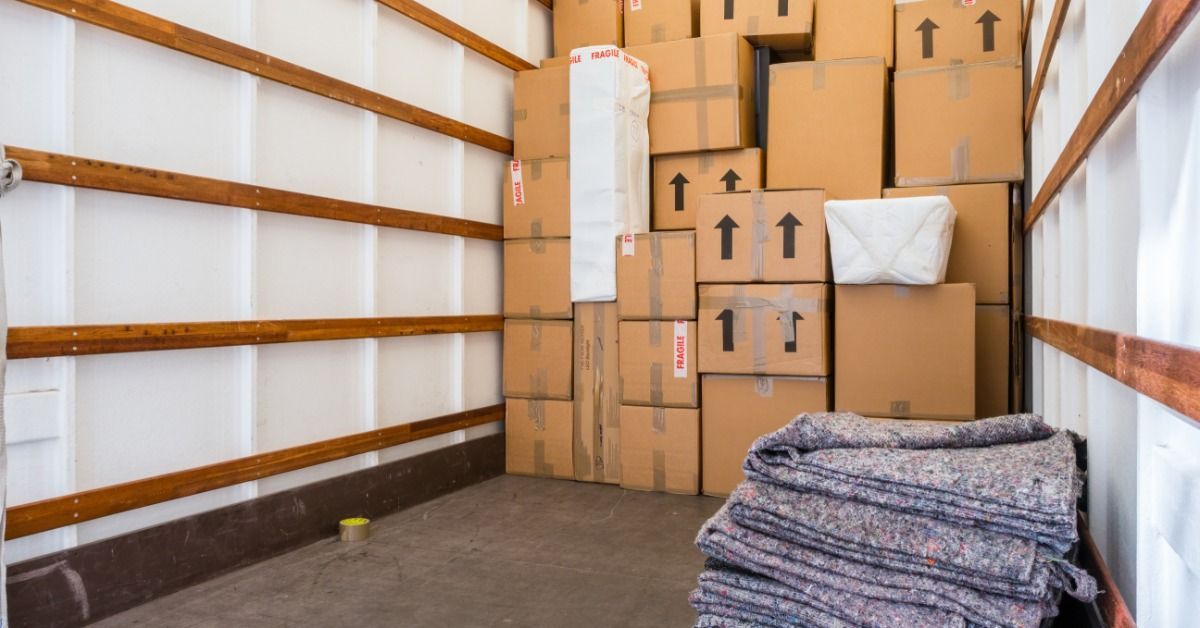
How a unit is packed matters as much as how individual items are wrapped. Heavy boxes should generally remain beneath lighter ones, and fragile belongings should not be placed where shifting furniture could damage them. Leaving some room to navigate the space can also be valuable if something needs to be retrieved unexpectedly.
Turning an Unexpected Delay Into a Manageable Transition
A delayed move can feel disruptive because it interrupts a carefully planned sequence of events. The solution is not necessarily to rebuild the entire schedule. Instead, adding temporary storage creates room for the timeline to change without leaving belongings caught between two properties.
Self-storage units, portable containers, and mover-provided storage each offer different advantages. The best choice depends on how much needs to be stored, how frequently belongings need to be accessed, how long the delay may last, and how transportation will be handled afterward.
Planning for flexibility is especially valuable because moving delays are rarely predictable. Short-term storage options that make delayed moves easier can separate the transportation of belongings from the pressure of a specific move-in date. With belongings protected and essential items kept accessible, households can focus on resolving the delay rather than scrambling to find somewhere for everything to go.
A temporary setback does not have to define the entire moving experience. With an organized storage plan, the period between homes can remain exactly what it should be: temporary.