When You Might Need Storage During a Move
Moving is often portrayed as a straightforward process: pack your belongings, load the truck, travel to your new home, and unpack. In reality, relocation is rarely that simple. Closing dates shift, renovations take longer than expected, and unexpected life events can change carefully planned schedules. That's why when you might need storage during a move is an important consideration long before moving day arrives.
Storage is no longer just a solution for people downsizing. It has become an essential tool for homeowners, renters, families, and businesses who need greater flexibility during relocation. Having access to a secure place for your belongings can make the difference between a stressful experience and one that stays organized despite changing circumstances.
When Closing Dates Don't Line Up
One of the most common reasons people need storage is because real estate transactions don't happen on identical schedules. You may need to move out of your current home before your new one is available, even if the gap is only a few days.
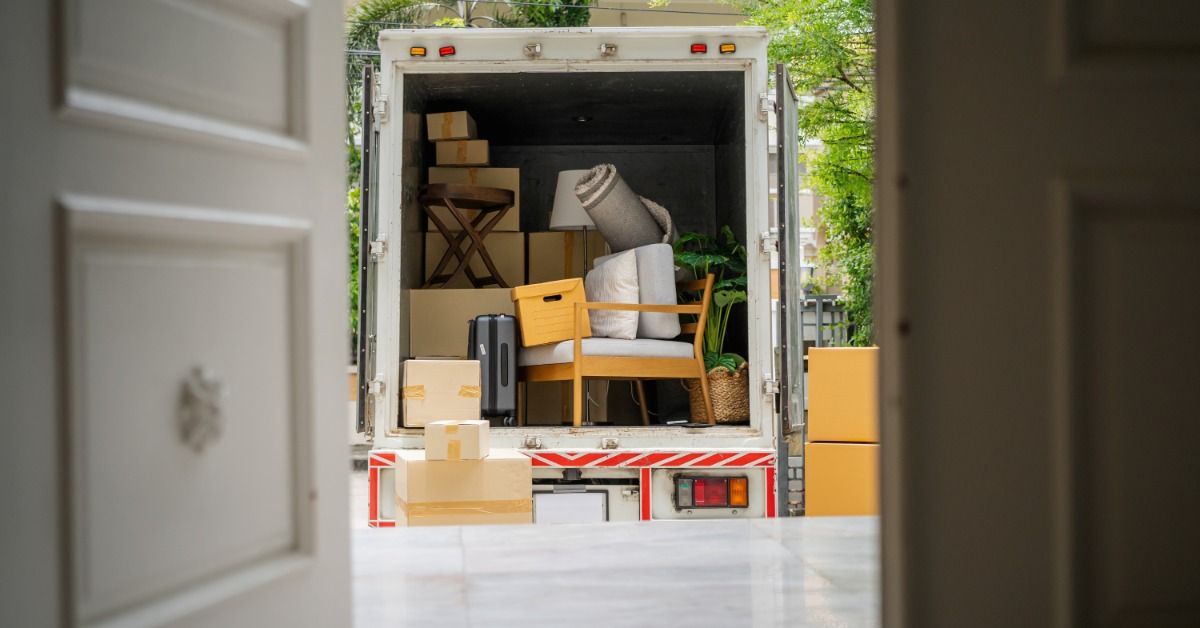
Without a storage option, you're left trying to coordinate multiple moving trucks, temporary parking for loaded vehicles, or last-minute arrangements with family and friends. None of these options are ideal, especially if delays continue beyond what was originally expected.
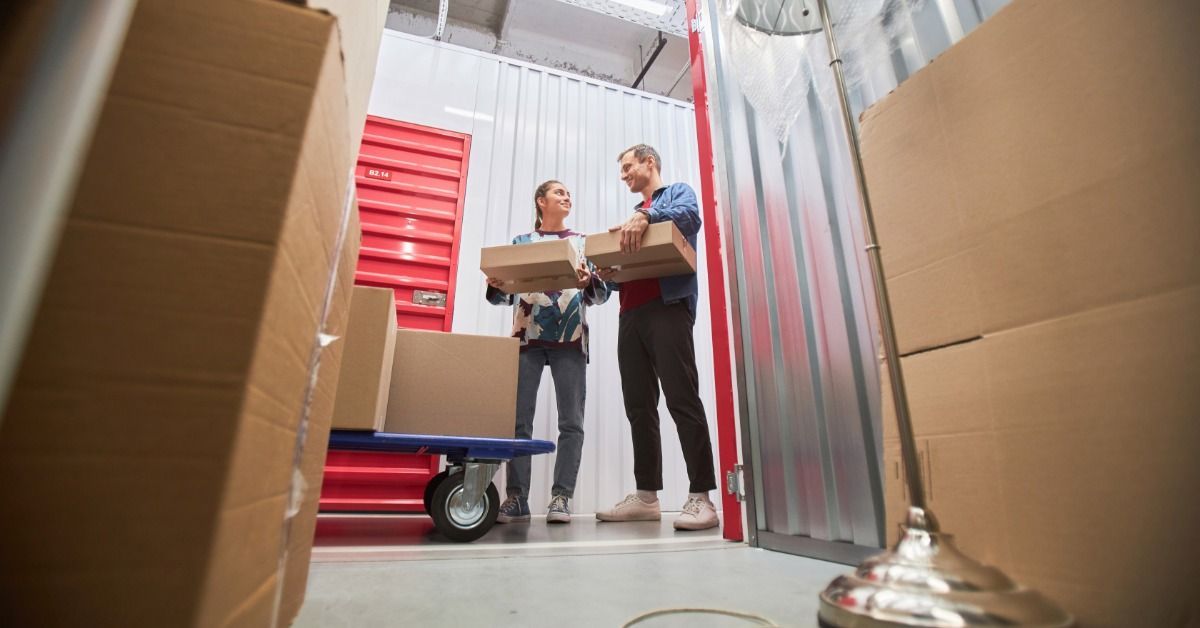
Keeping your belongings in temporary storage solutions allows you to move out on schedule without worrying about where everything will stay until your new property is ready. Once you receive the keys, your belongings can be delivered when you're prepared to receive them rather than rushing through the move.
Renovations Can Delay Move-In Plans
Many homeowners purchase a house knowing they'll complete updates before settling in. Painting, flooring installation, kitchen remodeling, and electrical work are all much easier when rooms are empty.
Unfortunately, renovation schedules often take longer than anticipated. Materials may arrive late, contractors may experience scheduling conflicts, or hidden issues can extend the project by days or weeks.
Rather than moving furniture into unfinished rooms and relocating everything multiple times, storing your possessions until the work is complete protects both your belongings and the renovation itself. Contractors also benefit from having open workspaces without obstacles slowing progress.
Downsizing Requires More Time
Moving into a smaller home usually involves difficult decisions about what to keep, donate, sell, or give to family members. Those decisions often take more time than expected.
During an already busy move, many people don't have the emotional energy to sort through decades of belongings under strict deadlines. Storage provides breathing room by allowing you to relocate first while making thoughtful decisions afterward.
Instead of rushing through every box before moving day, you can gradually organize your possessions after you've adjusted to your new home. This often results in fewer regrettable decisions and a much more manageable transition.

Temporary Housing Creates Unique Challenges
Not every move ends with immediate occupancy of a permanent home. Corporate relocations, military assignments, international moves, and insurance claims can require families to stay in temporary accommodations.
Hotels, furnished apartments, and short-term rentals rarely have enough space for an entire household's worth of furniture and personal belongings. Attempting to squeeze everything into temporary housing creates clutter and unnecessary stress.
A storage facility or managed storage service allows you to keep only the essentials with you while the remainder of your belongings stay protected until permanent housing becomes available.
Selling a Home Often Means Decluttering First
Real estate professionals frequently recommend removing excess furniture and personal items before listing a home. Clean, open spaces photograph better and help buyers picture themselves living there.
However, removing large furniture doesn't mean homeowners want to permanently part with those belongings. Storage creates an ideal middle ground by temporarily relocating excess items while the home is on the market.
The result is a cleaner presentation without sacrificing possessions you'll want in your next home. It can also simplify showings because there are fewer personal items requiring daily organization before prospective buyers arrive.
Life Doesn't Always Follow the Original Plan
Even the best-organized moves can encounter unexpected obstacles. Employment changes, family emergencies, financing delays, severe weather, or construction setbacks may suddenly alter your relocation timeline.
Having storage available creates flexibility when circumstances change. Rather than scrambling for emergency solutions, your belongings remain secure while you focus on resolving the situation.
This flexibility can significantly reduce stress because you're no longer forced to solve every moving challenge within a single day.
Long-Distance Moves Benefit From Greater Flexibility
Cross-country relocations involve far more moving parts than local moves. Travel schedules, weather conditions, transportation delays, and housing availability all introduce additional uncertainty.
Sometimes families choose to arrive before their belongings so they can prepare the new home, complete cleaning, or wait for utilities to be connected. Others may need to coordinate arrivals around work schedules or school calendars.
Storage can bridge these timing gaps without requiring complicated transportation arrangements. Instead of forcing every part of the relocation to happen simultaneously, each stage can proceed according to what makes the most sense.

Business Relocations May Require Storage Too
Residential moves aren't the only situations where storage proves valuable. Businesses relocating offices often face similar timing challenges.
Office renovations, equipment installations, internet setup, and furniture deliveries don't always happen in the perfect sequence. Employees may begin working in a new location before every workstation is fully assembled.
Temporary storage keeps office furniture, records, and equipment organized until they're needed, preventing crowded workspaces while minimizing disruption to daily operations.
Choosing the Right Storage Option
Not every storage need is identical. The ideal solution depends on your timeline, budget, and the types of belongings being stored.
Some people only need storage for a few days between closing dates. Others may require several months while building a new home or relocating for work. Climate-sensitive items, valuable antiques, electronics, and important documents may require additional protection compared to everyday household goods.
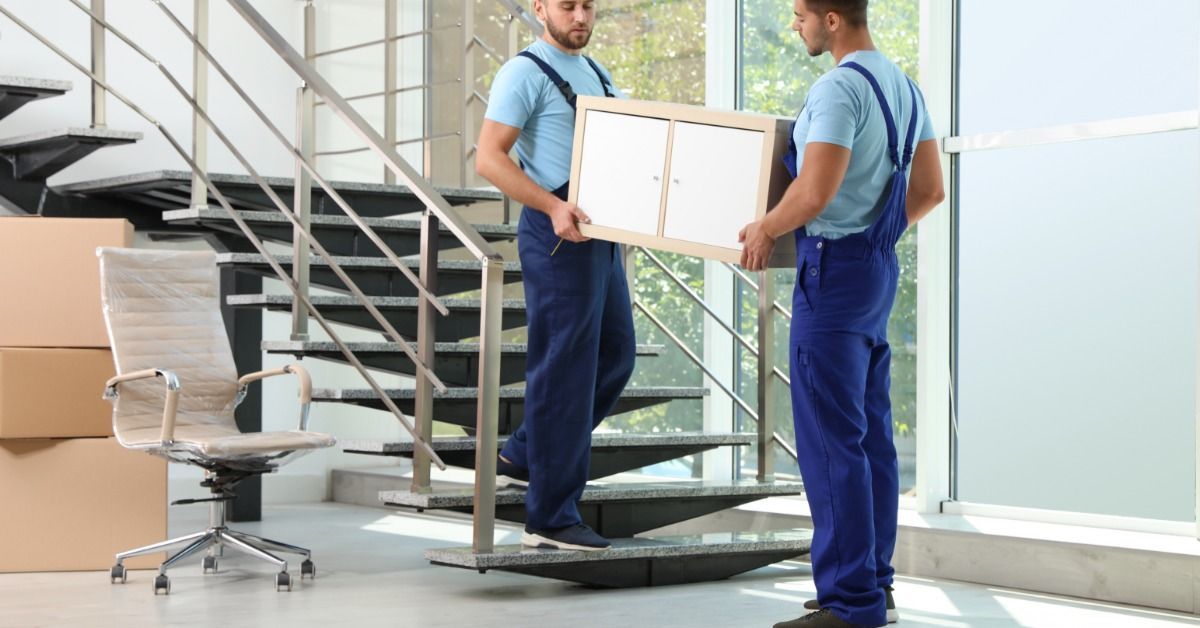
Working with experienced moving professionals who also provide storage services often simplifies coordination. Rather than managing separate companies for transportation and storage, a single provider can oversee both parts of the relocation, reducing communication issues and scheduling conflicts.
Planning ahead also allows you to estimate how much storage space you'll actually need. Choosing the appropriate size prevents paying for unnecessary space while ensuring your belongings remain accessible and properly protected.
A Flexible Move Is Often a Better Move
Every relocation is different, and very few unfold exactly according to the original schedule. Delays, opportunities, and unexpected changes are simply part of the moving experience. Preparing for those possibilities before they happen gives you greater confidence throughout the process.
Understanding situations where storage becomes valuable during relocation helps you build flexibility into your moving plan rather than reacting to unexpected challenges after they've already created stress. Whether you're waiting on a closing date, remodeling a newly purchased home, downsizing, relocating across the country, or temporarily living elsewhere, storage can provide valuable breathing room.