Ways OR Area Office Movers Handle Large-Scale Transitions
Relocating an office can be significantly more complicated than moving from one home to another. Businesses may need to relocate dozens or even hundreds of employees while transporting furniture, technology, documents, inventory, and specialized equipment. At the same time, companies generally want to minimize interruptions so employees can return to work as quickly as possible.
Understanding ways OR area office movers handle large-scale transitions can help businesses see why preparation and coordination are so important during a commercial relocation. Rather than treating the project as a straightforward transportation job, professional movers must consider timing, building requirements, equipment needs, employee workspaces, and the order in which different parts of the office should be relocated.
Developing a Detailed Moving Plan
Planning is one of the most important parts of a large office relocation. Before moving day arrives, the relocation team needs a clear understanding of what is being moved, where everything is going, and how the transition will take place.
This process often begins with an assessment of the current office. Movers can identify the volume of furniture, equipment, boxes, and other materials that must be transported. They may also evaluate elevators, loading areas, hallways, staircases, and entrances to determine how large items can be removed safely.
The destination requires similar attention. Understanding the new building's layout helps the moving team determine where items should be unloaded and how they should travel through the property. Thorough planning reduces confusion once employees, movers, building managers, and other professionals are all working around the same relocation.
Coordinating the Move Around Business Operations
One of the greatest challenges of an office move is maintaining business continuity. A household can tolerate having rooms packed for several days, but a business may lose productivity or revenue when employees cannot access the tools they need.
Office movers may coordinate different stages of the relocation around the company's normal operations. Some departments might be moved before others, allowing portions of the business to remain operational while the relocation progresses.
Timing can also be important. Depending on building restrictions and company needs, certain moving activities may take place during evenings, weekends, or other periods when fewer employees are present. The objective is to create a schedule that gives movers sufficient time to work without unnecessarily disrupting the organization.

Organizing Departments and Workspaces
Large offices contain many items that look similar but belong in completely different places. Desks, chairs, monitors, filing cabinets, and boxes can easily become mixed together without a reliable organization system.
Labeling and inventory procedures help prevent this problem. Items can be organized according to employee, department, floor, or destination area so movers know exactly where they belong.
This becomes particularly important when a business is moving into a substantially different layout. Employees who previously worked on one floor may be divided between several areas in the new building. Careful organization allows movers to place belongings closer to their final locations rather than creating piles that employees must sort through afterward.
Protecting Furniture During Transportation
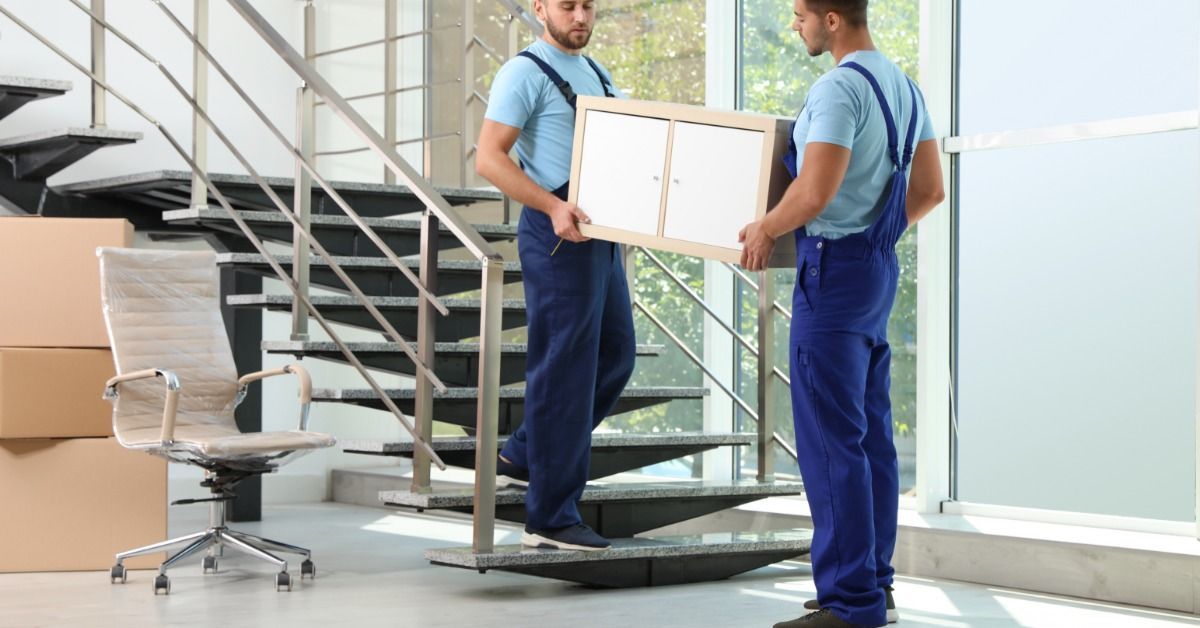
Office furniture represents a substantial portion of many commercial moves. Desks, conference tables, shelving systems, chairs, cabinets, and reception furniture can be bulky and difficult to transport.
Some pieces may need to be disassembled before they can safely leave the building. Components can then be protected, transported, and reassembled at the destination. Padding, wrapping, and other protective materials may also be used to reduce the risk of scratches, dents, and other damage.
Professional Portland area office movers may also consider the surfaces surrounding the furniture. Door frames, flooring, walls, and elevators can sustain damage when large pieces are moved through tight areas. Protecting both the furniture and the properties involved is therefore part of managing the broader transition.
Handling Computers and Office Technology
Modern businesses depend heavily on technology, making computers and related equipment another major consideration during an office relocation. Desktop computers, monitors, printers, networking equipment, phones, conference room technology, and other electronics often need additional protection.
Careful packing helps prevent physical damage during transportation. Organization is equally important because employees need the correct equipment returned to their workstations at the destination.
Movers may coordinate with a company's internal IT staff or outside technology providers to establish an appropriate schedule. Technical teams can disconnect equipment before transportation and begin reconnecting systems after they arrive. Coordination between these groups can reduce the amount of time employees spend waiting for their workstations to become operational again.
Managing Sensitive Documents and Materials
Many businesses still maintain physical documents even when much of their daily work has moved online. Depending on the organization, these records may contain financial, customer, employee, medical, legal, or proprietary information.
Documents therefore need to remain organized and secure throughout the move. Boxes and filing systems can be labeled according to their destination without unnecessarily exposing sensitive information.
Some companies may also use a relocation as an opportunity to review stored materials. Documents that have reached the end of their required retention period may be securely destroyed rather than transported. Reducing unnecessary records can decrease the amount of material that must be packed, moved, and stored in the new location.

Working Within Building Requirements
Commercial properties frequently have moving requirements that businesses must follow. Building managers may establish specific hours for moves, designate particular elevators, reserve loading areas, or require protective coverings in common spaces.
These restrictions can affect the entire relocation schedule. If movers only have access to a freight elevator during certain hours, for example, loading and unloading must be planned around that availability.
Communication with property management at both locations helps identify these requirements early. Waiting until moving day to address access restrictions can cause delays that affect movers, employees, vendors, and building occupants.
Creating an Organized Start in the New Office
The relocation does not necessarily end when the moving trucks are empty. Furniture may need to be assembled, boxes distributed, shared spaces organized, and equipment positioned before employees can resume normal operations.
This final stage demonstrates how office movers throughout the Oregon area manage large-scale transitions efficiently. Decisions made during planning, packing, labeling, sequencing, and delivery all affect how efficiently the organization can settle into its new environment.
A successful large-scale office move is ultimately a coordinated process involving people, property, technology, and time. By approaching each stage systematically, businesses can reduce unnecessary disruption and create a smoother transition from one workplace to the next.