How Moving Solutions Adapt to Different Types of Moves
No two moves are exactly alike. A young professional relocating to a downtown apartment has different priorities than a family moving across the country, while a business preparing for an office relocation faces challenges that homeowners rarely encounter. The success of any move depends on matching the right strategy to the situation rather than relying on a one-size-fits-all approach.
Understanding how moving solutions adapt to different types of moves helps people make informed decisions before packing begins. Every relocation comes with its own timeline, budget, inventory, and logistical considerations. By recognizing those differences early, movers can avoid unnecessary complications and create a plan that supports a smoother transition.
Every Move Begins With Different Priorities
One of the biggest misconceptions about moving is that every relocation follows the same process. While the basic tasks of packing, transportation, and unloading remain consistent, the priorities behind each move often vary significantly.
Someone relocating because of a new job may have strict deadlines that require careful scheduling. A growing family may focus on protecting valuable furniture and coordinating multiple rooms of belongings. Retirees downsizing to a smaller home may spend more time sorting possessions before moving day even arrives.
These differing priorities influence every stage of the move, from selecting packing materials to determining transportation requirements and scheduling arrival times.
Instead of forcing every relocation into the same framework, experienced moving professionals adjust their approach to fit each customer's circumstances.
Local Moves Require Efficiency
Local moves are often underestimated because the travel distance is relatively short. However, shorter distances do not automatically make a move easier.
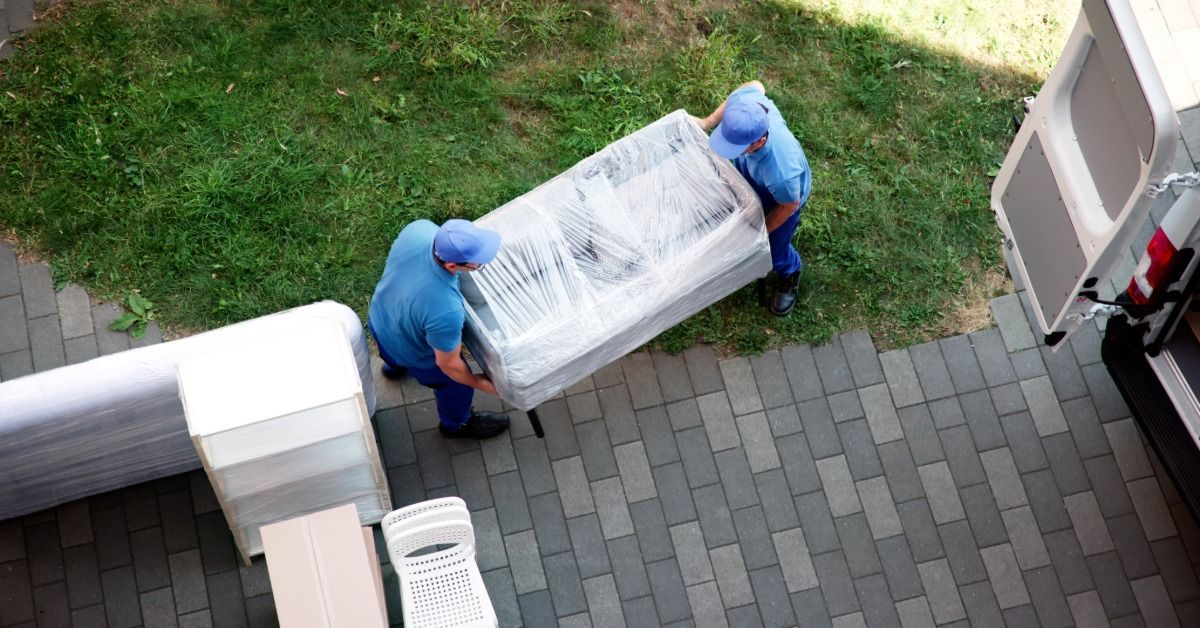
In many cases, local relocations involve navigating apartment buildings, narrow streets, homeowners' association restrictions, elevator reservations, or limited parking. Coordinating loading and unloading efficiently becomes just as important as transportation itself.
Since travel time is reduced, the focus shifts toward maximizing labor efficiency. Organized packing, clearly labeled boxes, and thoughtful truck loading help reduce delays throughout the day.
Many local moves are completed within a single day, making preparation especially valuable. When everyone understands the schedule and responsibilities beforehand, the entire process becomes far more manageable.
Long-Distance Relocations Demand Careful Planning
Long-distance moves introduce an entirely different set of challenges.
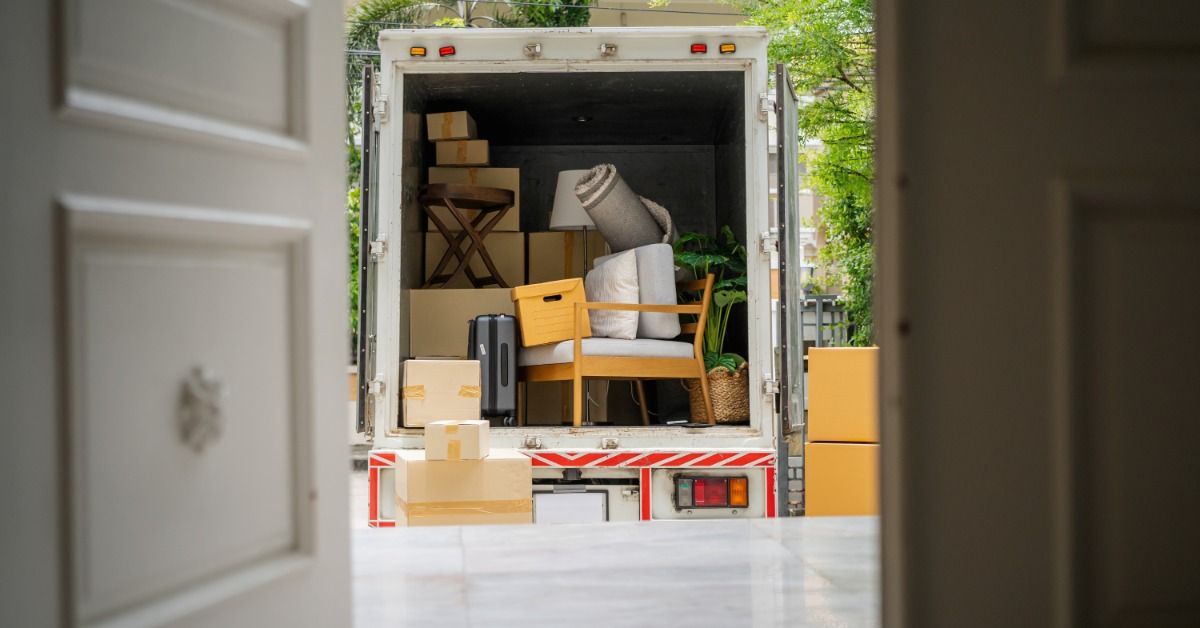
Unlike local relocations, transporting belongings hundreds or even thousands of miles requires extensive coordination. Delivery windows, fuel costs, weather conditions, state regulations, and route planning all become important factors.
Because possessions spend more time in transit, packing methods also become increasingly important. Fragile items require additional protection, while furniture may need specialized wrapping to prevent shifting during transportation.
Communication becomes another essential component. Customers benefit from knowing expected pickup dates, estimated delivery windows, and transportation updates throughout the journey.
A successful long-distance relocation depends less on speed and more on organization, preparation, and reliable scheduling.

Apartment Moves Present Unique Challenges
Apartment relocations often appear straightforward because they usually involve fewer belongings than larger homes. In reality, apartment moves frequently include logistical complications that require thoughtful planning.
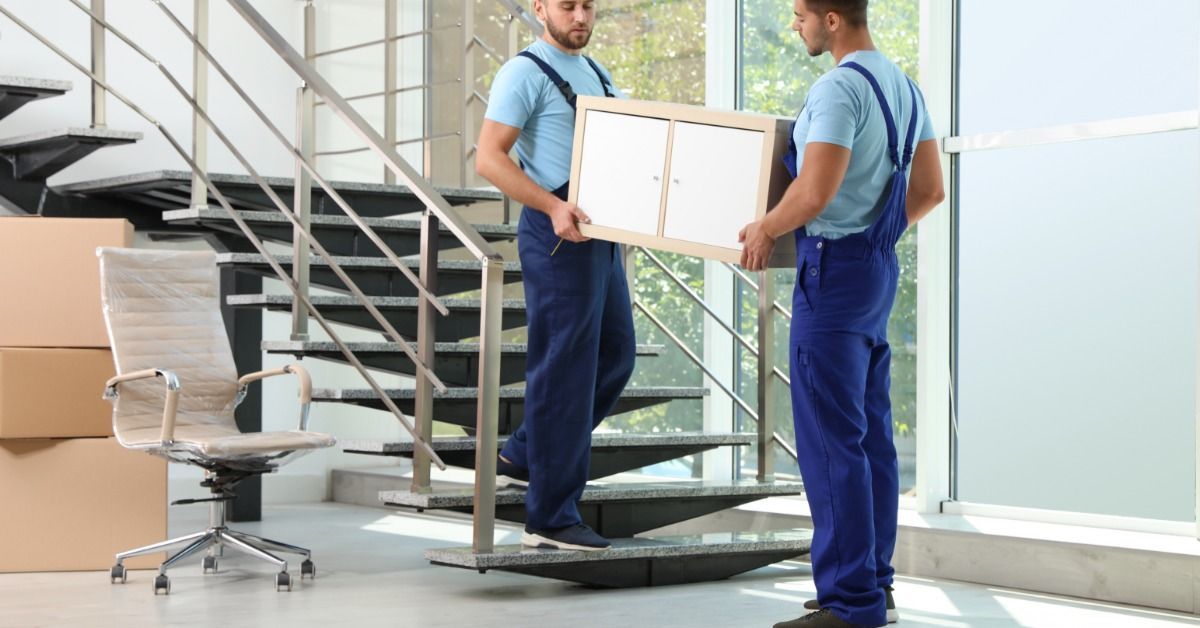
Limited parking may require permits or designated loading zones. Buildings may have elevator schedules that restrict when movers can work. Tight hallways and staircases may limit how large furniture can be transported.
Even moving between neighboring apartment buildings can require significant coordination.
Preparing furniture ahead of time, measuring doorways, and organizing boxes by room can reduce delays once moving day arrives.
These details may seem small individually, but together they have a major impact on efficiency.
Family Moves Require Greater Organization
Families often move with significantly more belongings than individuals, making organization one of the most valuable tools available.
Children's bedrooms, kitchen supplies, seasonal decorations, recreational equipment, and sentimental keepsakes all require different packing methods. In addition, parents frequently balance moving preparations alongside work schedules and childcare responsibilities.
Creating room-by-room packing plans helps prevent confusion later. Labeling boxes clearly also allows unpacking to happen gradually instead of searching through dozens of containers.
For larger households, flexibility becomes particularly valuable. Unexpected schedule changes, school calendars, or closing date adjustments may require moving plans to evolve quickly.
Having adaptable moving strategies helps reduce stress throughout the transition.
Business Relocations Focus on Minimizing Downtime
Office moves involve priorities that differ substantially from residential relocations.
Businesses are often less concerned about sentimental possessions and more focused on maintaining productivity. Every day spent offline or unable to serve customers can affect revenue.
Technology equipment, office furniture, filing systems, and specialized machinery all require organized transportation while maintaining security and accessibility.
Departments may relocate in phases to minimize interruptions, while equipment installation may be coordinated with IT teams before employees return.
Planning becomes the driving force behind commercial moves. Detailed timelines help businesses reopen quickly while reducing operational disruptions.
Specialty Items Need Customized Handling
Not every belonging fits neatly into a standard moving box.
Pianos, antiques, artwork, gun safes, large mirrors, exercise equipment, and oversized furniture all require specialized handling techniques.
These items often demand custom padding, additional lifting equipment, or multiple movers to transport safely.
Attempting to move unusually large or delicate possessions without proper preparation increases the likelihood of damage to both the items and the property itself.
Customized handling allows valuable belongings to receive the attention they deserve while protecting surrounding walls, flooring, and doorways.

Flexible Services Help Meet Individual Needs
Modern moving companies increasingly recognize that customers rarely need identical services.
Some homeowners prefer packing everything themselves while hiring professionals only for transportation. Others want complete assistance from beginning to end through full-service moving services that include packing, loading, transportation, unloading, and even unpacking assistance.
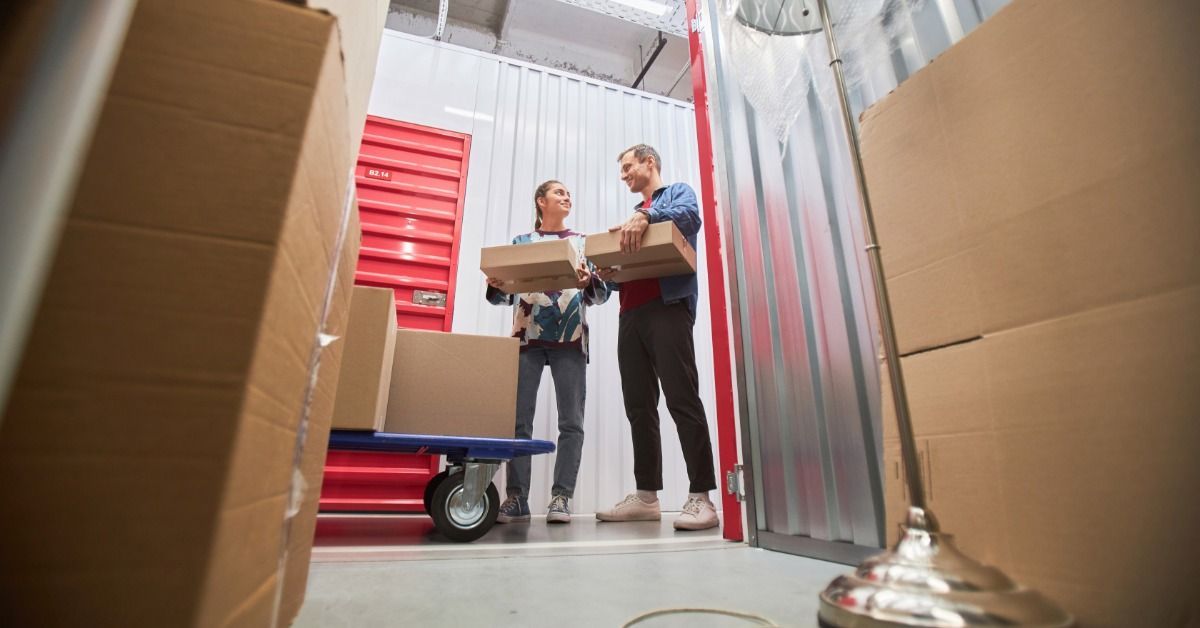
Storage solutions may also become necessary when closing dates do not align perfectly or when homeowners need temporary flexibility before settling into their new residence.
By offering adaptable service options instead of rigid packages, moving providers can better accommodate different budgets, schedules, and relocation goals.
This flexibility gives customers greater control over both costs and the overall moving experience.
Preparation Makes Every Move More Successful
Regardless of distance or property size, preparation consistently influences moving outcomes.
Starting early allows people to sort belongings, donate unused items, and reduce unnecessary clutter before packing begins. It also provides additional time to gather supplies, notify utilities, update addresses, and coordinate scheduling.
Preparing an inventory helps ensure nothing is overlooked while also making unpacking more organized.
Communication plays an equally important role. Confirming dates, reviewing access requirements, and discussing special handling instructions ahead of time helps eliminate surprises once moving day arrives.
The more information everyone shares before the move begins, the smoother the process typically becomes.
Choosing Solutions That Match the Situation
Moving is rarely just about transporting belongings from one location to another. Every relocation reflects a unique combination of personal goals, logistical challenges, and practical considerations.
Whether relocating across town, moving into a first apartment, transitioning a growing family into a larger home, or relocating an entire business, successful outcomes depend on selecting strategies that fit the situation rather than forcing every move into the same process.
Understanding how relocation services evolve to meet the demands of every unique move allows individuals and organizations to make better decisions before moving day arrives. When planning aligns with the specific challenges of each relocation, the experience becomes more organized, efficient, and far less stressful from beginning to end.