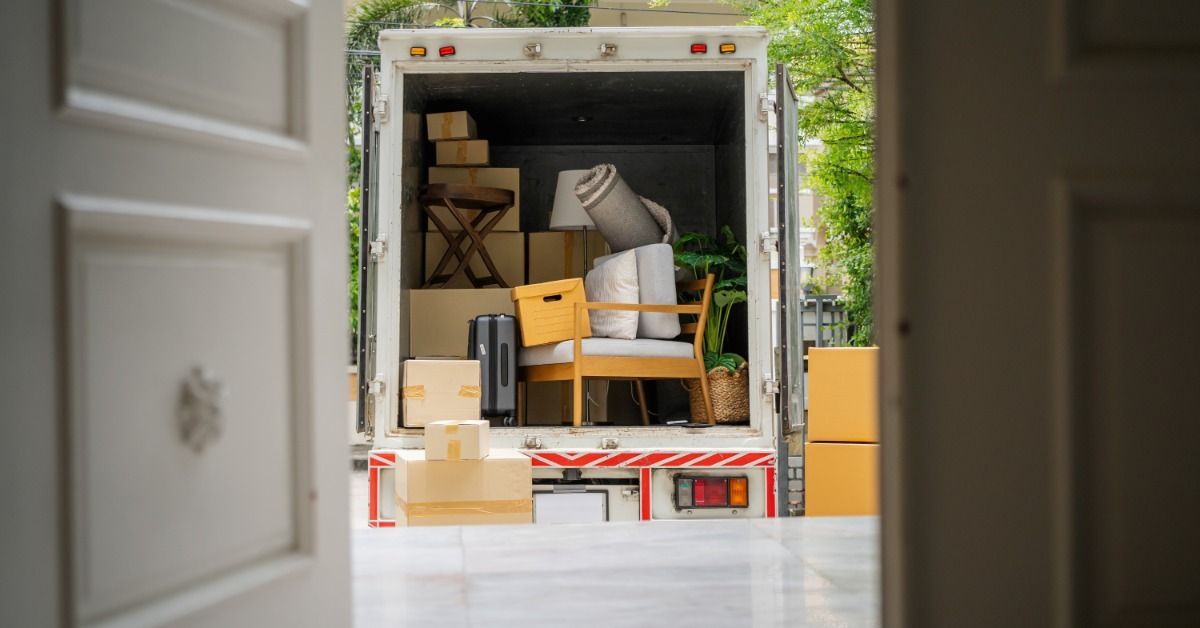
How to Choose the Right Moving Storage Container Size
Moving containers offer a practical way to pack belongings on your own schedule, but selecting the wrong size can complicate an otherwise organized move. A container that is too small may require a second delivery, while one that is unnecessarily large can increase costs and leave items shifting in transit. Understanding how to choose the right moving storage container size begins with examining what you own, how you plan to pack, and where the container will be placed. A little preparation helps you reserve enough room without paying for space you will never use.
Start With a Realistic Inventory
Before comparing container dimensions, walk through every room and record the furniture, appliances, and boxes you intend to move. Include closets, garages, attics, and outdoor storage areas, which often contain more belongings than expected. Large pieces deserve special attention because a sectional sofa, dining table, or bulky dresser can determine how efficiently everything else fits.
Separate items you plan to sell, donate, or discard. Estimating space for belongings that will not make the trip leads to an oversized reservation. If you are still deciding what to keep, finish that process before committing to a container. An accurate inventory is more useful than relying on your home's square footage alone.
Understand What Container Dimensions Mean
Portable moving containers are commonly described by their exterior length, such as roughly eight, twelve, or sixteen feet, although actual offerings vary by company. Length is only one measurement. Interior width, height, door opening, and usable cubic capacity determine what can fit. Ask the provider for interior dimensions rather than assuming every container of the same advertised length holds the same amount.
Pay attention to door clearance when moving tall bookcases or wide furniture. A piece may technically fit inside the container yet be difficult to maneuver through the opening. Also confirm the maximum permitted load weight. Heavy books, tools, and appliances can reach a weight limit before the container appears full.
Match Capacity to Your Household
Household size can provide a starting point, but it should never be the only factor. A lightly furnished apartment may fit into a compact container, while a similar apartment filled with hobby equipment and oversized furniture may need more room. A family home with multiple bedrooms typically requires greater capacity, especially when patio furniture, bicycles, and garage contents are included.
Request the company's room-based sizing guide and compare it against your inventory. These guides are estimates, not guarantees. Ask whether the provider recommends multiple smaller containers for your belongings instead of one larger unit. That arrangement can make loading easier and allow separate deliveries when your destination has limited space.
Account for Packing Methods and Awkward Items
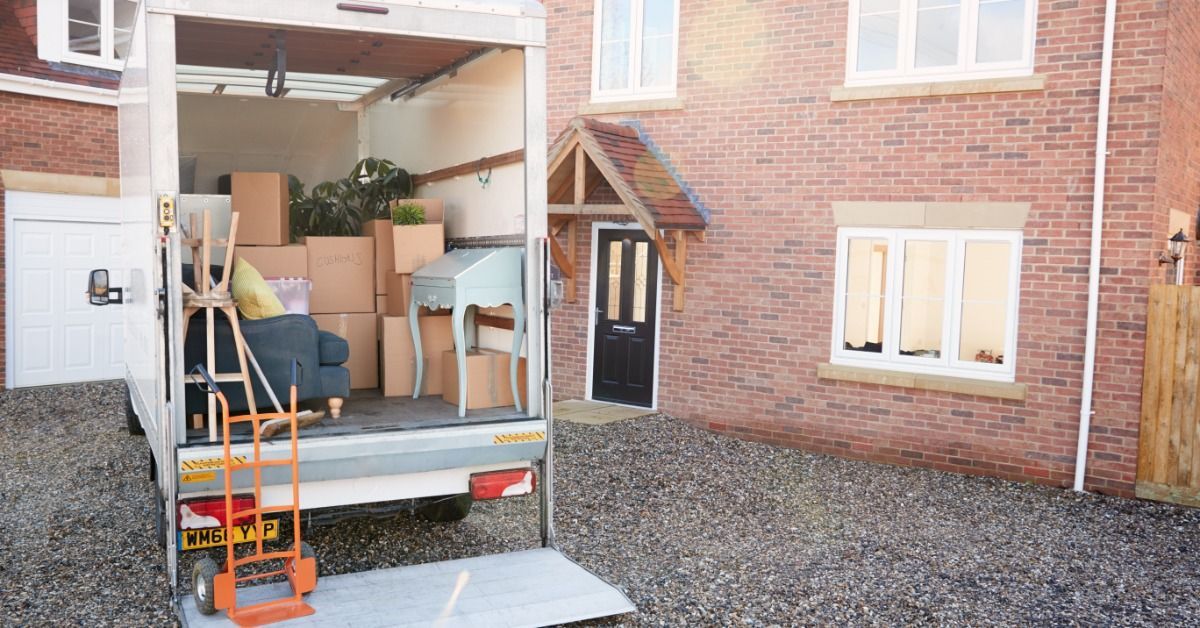
The way you load belongings can change how much space you need. Uniform boxes stack neatly, while irregularly shaped items leave gaps. Disassembling bed frames, removing table legs, and nesting suitable lightweight items can improve efficiency. Protect furniture with moving blankets and use sturdy boxes that can support safe stacking.
Avoid planning to fill every inch from floor to ceiling. You need room to position heavy items securely, distribute weight, and prevent fragile belongings from being crushed. Mattresses, mirrors, artwork, and electronics may require protective packaging that increases their footprint. A realistic estimate includes this padding rather than treating all furniture as bare measurements.
Consider Whether You Need Temporary Storage
Your moving timeline may influence container selection as much as your inventory does. If your closing dates do not align or renovations delay your arrival, you might need storage during moving rather than immediate transport. Ask whether the company can hold a loaded container at a secure facility and whether the same unit can later be delivered to your new address.
Think about access, too. If you will need seasonal clothing, documents, or equipment while the container is stored, arrange those items near the door or keep them with you. A larger container does not automatically improve accessibility if essential belongings are packed behind heavy furniture.
Check Delivery Space and Local Restrictions
Even a correctly sized container is a poor choice if the delivery truck cannot position it safely. Measure your driveway or designated parking area and account for overhead branches, power lines, slopes, and nearby vehicles. Providers may require additional clearance beyond the container's footprint to unload it.
If the container must sit on a public street, check municipal permit requirements and neighborhood or property-management rules. Apartment buildings and shared driveways may have limited placement options. Confirm these details before booking, particularly if a larger container would block access or require an alternate drop-off location.
Compare Pricing Beyond the Base Rental
Container costs can include delivery, pickup, transportation, rental time, storage, and additional fees. Compare quotes using the same estimated rental period and destination. A slightly larger container might cost less than arranging an extra shipment, but that depends on the provider's pricing and service area.
Ask what happens if you underestimate your space. Some companies can deliver another container, while others may have limited availability during busy moving seasons. Find out whether size changes are possible before delivery and how they affect your reservation. Transparent answers help you weigh a modest space cushion against the expense of renting more capacity than necessary.

Make the Final Size Decision With Confidence
When you are ready to book, review your inventory, verify interior measurements, and discuss unusual furniture with the container provider. Share photographs or dimensions of particularly large items when available. If your estimate falls between two sizes, ask how the company handles tight loads, weight limits, and additional units rather than automatically choosing the biggest option.
The best approach to selecting the right size for a moving storage container combines practical measurements with a realistic packing plan. Reserve space for protective materials, confirm delivery access, and align the rental period with your schedule. With those details settled early, you can focus on packing carefully and getting your belongings to their next destination without avoidable surprises. A carefully chosen container also makes unloading more manageable once you arrive.