How to Prepare Your Office Before Moving Day
Relocating a workspace is a major undertaking that requires careful planning, coordination, and attention to detail. Whether you are moving to a larger office or downsizing to a more efficient space, preparation is the foundation of a successful transition. Knowing how to prepare your office before moving day can make the difference between a chaotic experience and a streamlined process that keeps your business running smoothly.
Start Planning Early
The earlier you begin preparing for your office move, the better positioned you will be to handle unexpected challenges. Planning should ideally start several months in advance, especially for larger offices with complex layouts and numerous employees.
Establishing a clear timeline helps you break down the process into manageable stages. Assign responsibilities to team members or create a relocation committee to oversee progress. Early planning also allows you to research vendors, compare quotes, and secure reliable services without last-minute pressure.
Taking time upfront ensures that every detail, from logistics to communication, is handled with precision.
Conduct a Thorough Office Inventory
Before packing begins, it is essential to take stock of everything in your current workspace. A detailed inventory provides clarity on what needs to be moved, replaced, or discarded.
This is also the perfect opportunity to declutter. Old equipment, outdated files, and unused furniture can take up valuable space and increase moving costs. By sorting through items in advance, you reduce unnecessary load and create a more organized environment in your new office.
An accurate inventory also helps you plan the layout of your new space more effectively, ensuring that everything has a designated place upon arrival.
Communicate with Your Team
Clear communication is crucial during an office relocation. Employees need to understand timelines, expectations, and how the move will affect their daily responsibilities.
Regular updates keep everyone informed and engaged throughout the process. Encourage team members to prepare their personal workstations, organize documents, and label items properly. When employees are involved, the moving process becomes more efficient and collaborative.
Providing guidance and answering questions early helps reduce confusion and ensures that everyone contributes to a smooth transition.
Organize and Label Everything
Organization is one of the most critical aspects of preparing for a move. Proper labeling ensures that items are transported safely and placed correctly in the new office.
Each box, piece of equipment, and furniture item should be clearly marked with its destination. Color-coding systems or detailed labeling strategies can simplify unpacking and reduce time spent searching for essential items.
Well-organized packing not only protects your assets but also speeds up the process of setting up your new workspace.

Protect Important Documents and Data
Offices often contain sensitive information that must be handled with care during a move. Physical documents should be securely packed, while digital data must be backed up to prevent loss.
Confidential files should be clearly labeled and, if necessary, transported separately to ensure security. Taking extra precautions with data protection safeguards your business and maintains compliance with privacy regulations.
A proactive approach to document and data management ensures continuity and peace of mind during the relocation process.
Coordinate with Professional Movers
Choosing the right moving company plays a significant role in the success of your office relocation. Experienced movers understand the complexities involved in transporting office equipment, furniture, and technology.
Working with professionals allows you to focus on business operations while they handle logistics. Be sure to communicate your specific needs, timelines, and any special requirements.
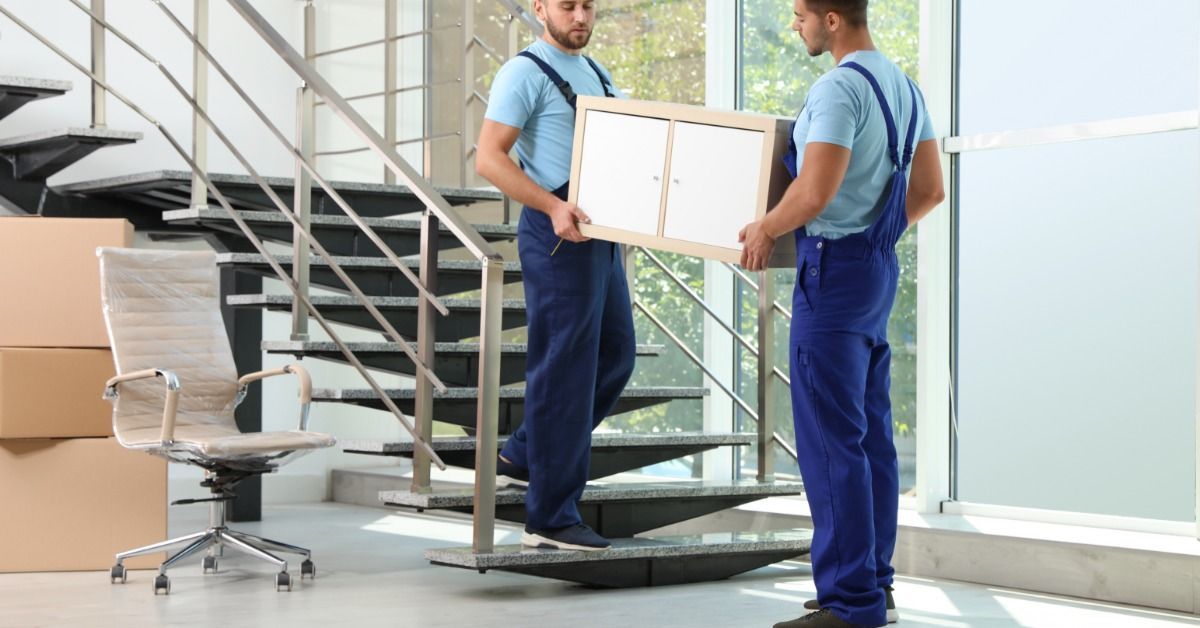
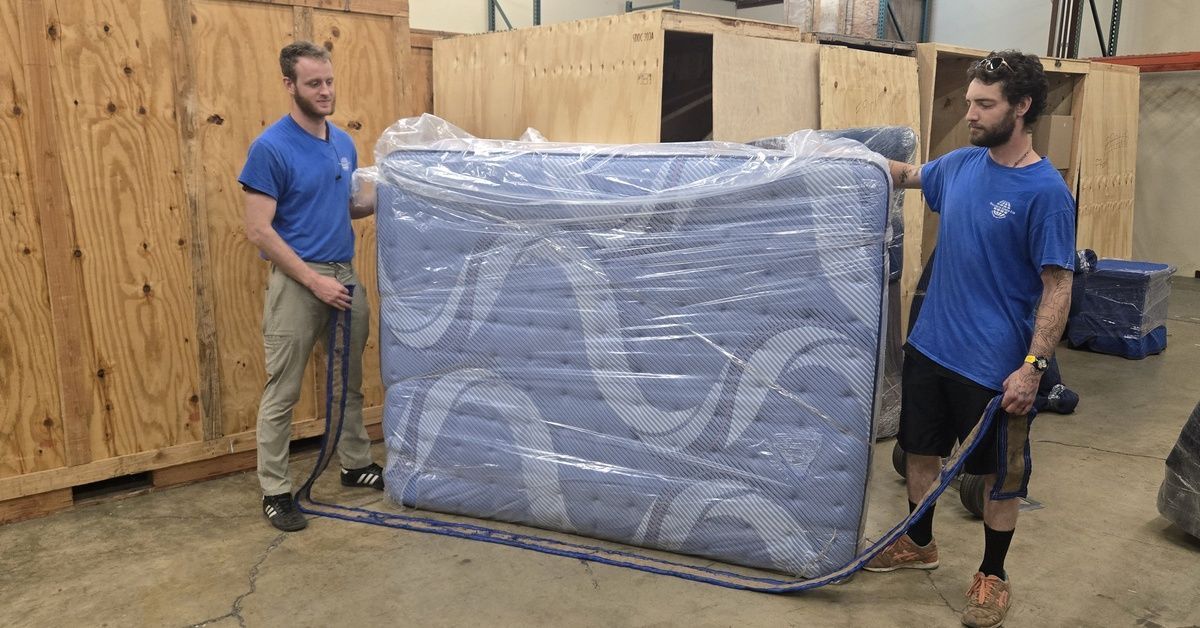
Hiring office furniture movers ensures that bulky and valuable items are handled safely and efficiently, reducing the risk of damage and delays.
Prepare Your New Office Space
Preparation does not end at your current location. Your new office should be ready to house your team and equipment before moving day arrives.
Ensure that utilities such as electricity, internet, and phone systems are fully operational. Clean the space thoroughly and confirm that any renovations or installations are complete.
Having a clear floor plan helps movers place items correctly, eliminating unnecessary rearranging later. A well-prepared destination allows your team to settle in quickly and resume operations without disruption.
Update Business Information
An office move often requires updates to your business address across various platforms. This includes your website, social media profiles, business listings, and official documents.
Notify clients, partners, and service providers about your relocation well in advance. Clear communication ensures that there are no interruptions in correspondence or service delivery.
Keeping your business information up to date maintains professionalism and helps clients stay connected with your organization.
Plan for Moving Day Logistics
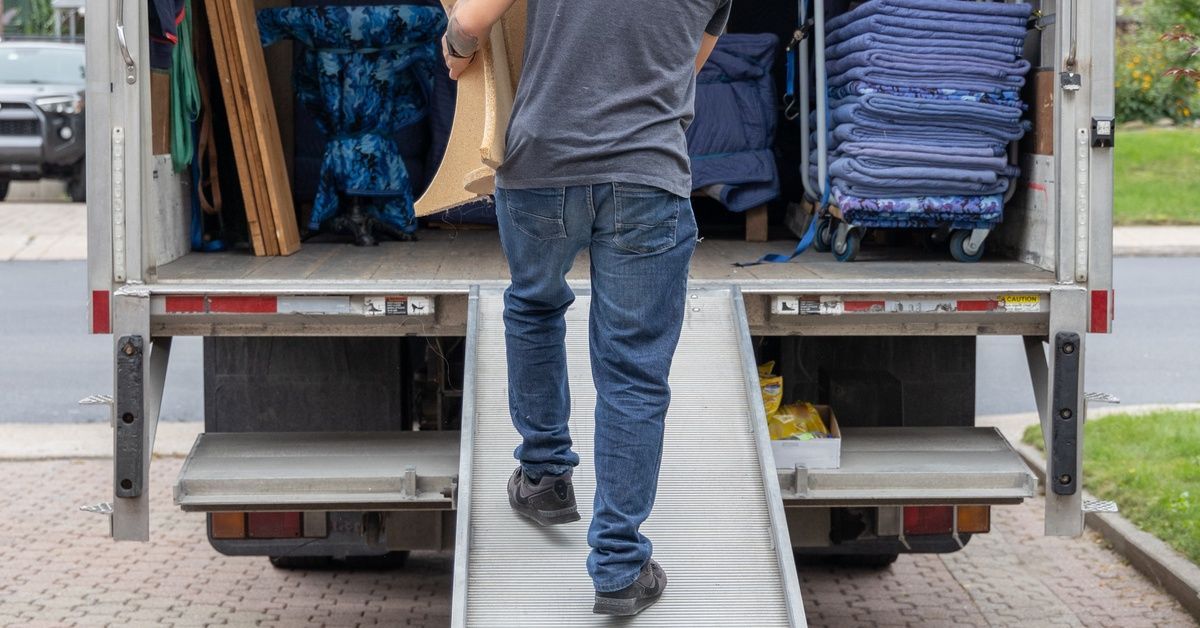
Moving day itself should be carefully coordinated to avoid confusion and delays. Create a detailed schedule that outlines when movers will arrive, what items will be transported, and who will oversee the process.
Designate a point of contact to manage communication between your team and the movers. This ensures that instructions are followed and any issues are addressed promptly.
Having a structured plan in place allows the day to run smoothly and keeps everything on track.
Minimize Business Disruption
One of the primary goals of office relocation is to maintain business continuity. Strategic planning can help minimize downtime and keep operations running as smoothly as possible.
Consider scheduling the move during off-peak hours or weekends to reduce the impact on productivity. Prioritize setting up essential workstations and systems first so employees can resume their tasks quickly.
By focusing on efficiency, you ensure that your business remains functional even during the transition.
Final Checks Before the Move
As moving day approaches, conduct a final walkthrough of your office to ensure everything is ready. Check that all items are packed, labeled, and accounted for according to your inventory.
Confirm arrangements with your moving company and verify that all logistics are in place. Address any last-minute concerns and ensure that your team understands their roles on moving day.
Taking time for these final checks helps prevent oversights and ensures a seamless relocation experience.
Make Your Move Seamless
Relocating an office can be a complex process, but with proper preparation, it becomes manageable and even rewarding. Understanding how to prepare your office before moving day allows you to approach the move with confidence and clarity. By planning ahead, staying organized, and working with experienced professionals, you can ensure a smooth transition that supports your business goals.