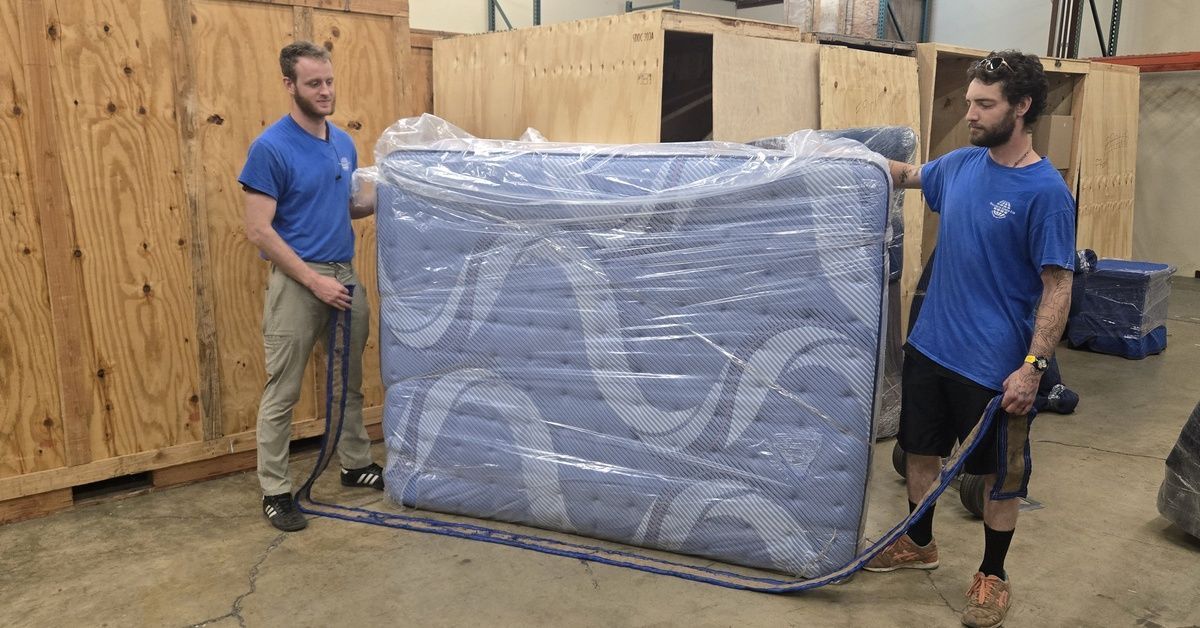
Short vs Long-Term Temporary Storage During a Move
Moving is rarely a simple process. Even when everything goes according to plan, coordinating schedules, packing belongings, and settling into a new home can create unexpected challenges. One common issue many people face is timing. Sometimes a new home is not ready when a current residence must be vacated. In other cases, homeowners may need extra space while renovating, downsizing, or transitioning between locations.
This is where temporary storage becomes a valuable solution. Understanding the differences between short vs long-term temporary storage during a move can help you choose the option that best fits your situation. While both provide a secure place to keep belongings during a transition, they serve different purposes and offer unique advantages depending on your timeline and moving goals.
Understanding Temporary Storage Options
Temporary storage is designed to hold household items for a designated period while a move is in progress. Rather than transporting everything directly from one location to another, belongings can be stored safely until they are needed.
Storage solutions are commonly used during residential moves, commercial relocations, military transfers, estate settlements, and home remodeling projects. The key distinction between storage options is the length of time items are expected to remain in storage.
Short-term storage typically refers to storage needs lasting a few days to several months. Long-term storage generally involves keeping belongings stored for six months or longer.
Although both options protect possessions during transitions, the ideal choice depends on your circumstances.
When Short-Term Storage Makes Sense
Short-term storage is often the preferred solution when moving schedules do not perfectly align. For example, you may sell your current home before the closing date on your new property. Instead of rushing to find accommodations for all your belongings, temporary storage can bridge the gap.
Many families also use short-term storage during home renovations. Large furniture, electronics, and decorative items can be moved out of the way while contractors complete their work. This not only protects valuable possessions but also creates a safer and more efficient work environment.
Short-term storage is also useful for apartment moves. Lease dates often overlap or leave gaps that make direct moving difficult. Storage provides flexibility without requiring multiple trips or temporary arrangements with friends and family.
Because the storage period is relatively brief, accessibility is often a priority. Many people anticipate retrieving their belongings quickly once the next phase of their move is complete.
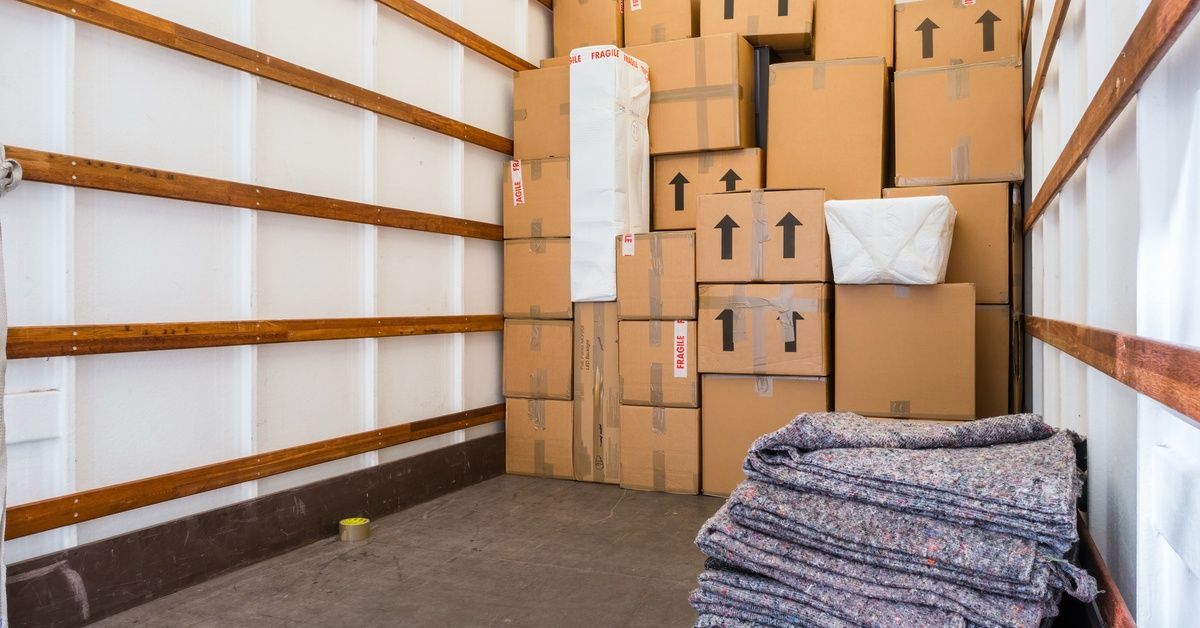
Benefits of Short-Term Storage
One of the biggest advantages of short-term storage is convenience. It allows movers to maintain flexibility when dealing with unexpected delays, scheduling conflicts, or real estate transactions.
Short-term storage can also reduce stress. Rather than feeling pressured to move everything at once, families can focus on one stage of the relocation process at a time.
Another benefit is protection. Items remain secure in a controlled environment instead of being left in garages, driveways, or temporary locations where they may be exposed to weather or damage.
For those managing a fast-paced move, short-term storage provides a practical way to stay organized while maintaining access to essential belongings.
Situations That Call for Long-Term Storage
Long-term storage serves a different purpose. It is often selected when there is no immediate need for stored belongings or when major life changes create uncertainty about future living arrangements.
Individuals relocating internationally may place furniture and household goods into storage until they return. Military personnel often rely on long-term storage during deployments. College students studying abroad may also choose extended storage options rather than transporting belongings back and forth.
Downsizing is another common reason for long-term storage. Homeowners moving into smaller residences may not want to part with family heirlooms, seasonal items, or sentimental possessions. Storage allows them to preserve these belongings without overcrowding their new living space.
Estate settlements can also create situations where long-term storage is necessary. Families often need additional time to sort through inherited items and determine what should be kept, donated, or distributed among relatives.
Benefits of Long-Term Storage
Long-term storage offers stability and peace of mind. Instead of making rushed decisions about possessions, individuals have time to evaluate their needs and future plans.
Security is another major advantage. Reputable storage facilities are designed to protect belongings over extended periods through controlled environments, monitoring systems, and proper maintenance procedures.
Long-term storage can also help preserve valuable items. Furniture, antiques, documents, and collectibles often benefit from climate-controlled conditions that reduce exposure to temperature fluctuations and humidity.
Financially, long-term storage may be more cost-effective than maintaining a larger home simply to accommodate excess belongings. For many families, storing select items is a practical compromise that balances space and preservation.
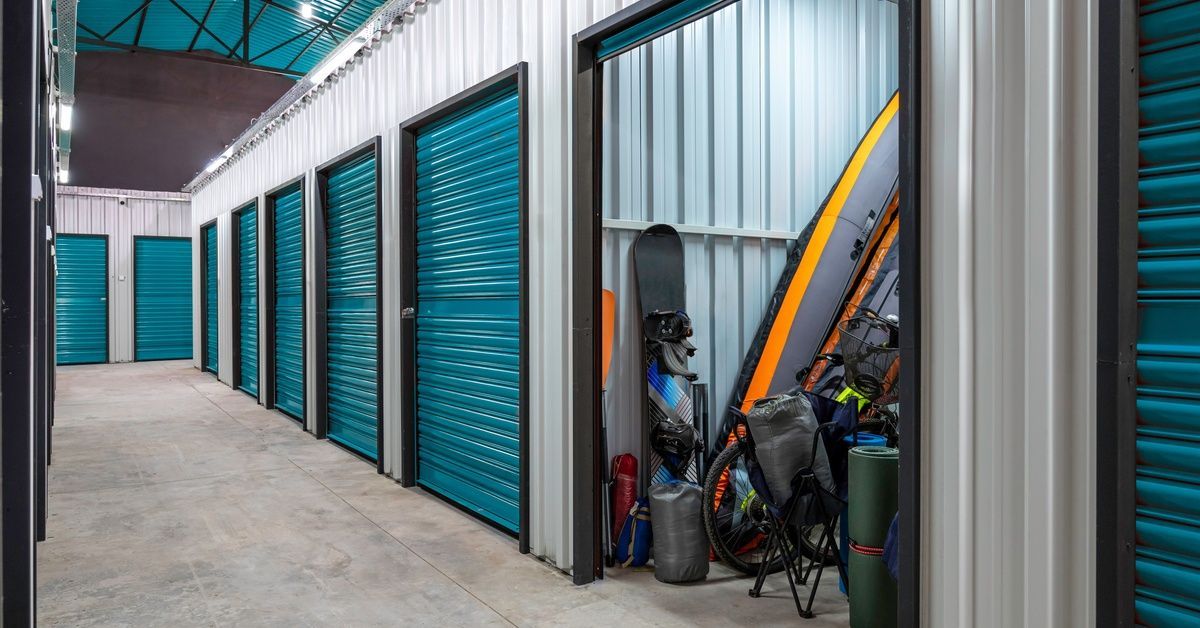
Choosing the Right Storage Solution
Selecting the right storage option begins with understanding your timeline. If you expect to retrieve your belongings within a few weeks or months, short-term storage is often the most practical choice.
If your future plans remain uncertain or you anticipate being without your belongings for an extended period, long-term storage may provide greater flexibility and value.
Accessibility should also be considered. Frequent visits to a storage unit may favor short-term arrangements located close to your residence. Long-term storage users may prioritize security and preservation over convenience.
Another important consideration is whether moving assistance is included. Some moving companies with temporary storage provide integrated services that combine transportation and storage into a single solution. This can simplify logistics and reduce the need to coordinate multiple vendors during an already busy time.
Evaluating your budget, timeline, and storage requirements can help narrow down the most suitable option.
Protecting Belongings During Storage
Regardless of storage duration, proper preparation is essential. Furniture should be cleaned thoroughly before being stored. Electronics should be packed carefully and protected from moisture. Important documents and valuables should be organized and secured appropriately.
Using quality packing materials can help prevent damage throughout the storage period. Labeling boxes clearly also makes retrieval easier when items are needed again.
For longer storage periods, climate-controlled environments may be beneficial for sensitive items such as wood furniture, artwork, photographs, and electronics. Taking these precautions helps ensure belongings remain in excellent condition throughout the moving process.
Making the Best Decision for Your Move
Choosing between temporary storage options is not simply about how long belongings will be stored. It is about matching storage solutions to your specific circumstances and future plans.
Understanding short vs long-term temporary storage during a move allows you to approach your relocation with greater confidence. Whether you need a brief holding space while waiting for a closing date or a secure location for belongings during a lengthy transition, the right storage strategy can make moving significantly easier.
In many cases, the decision comes down to evaluating how long you'll need storage, how often you'll access your items, and what level of protection your belongings require. By carefully considering these factors, you can determine whether a short-term solution or a more extended storage arrangement is the best fit.